
about our tricky human brainJournal
Tools, reflections, and research-backed insights from the therapy room. Topics range from anxiety, OCD, and trauma to mindfulness, depersonalization, emotional regulation, and how therapy actually works.

The Loneliness of Immigration: When Nobody Quite Understands You
One of the loneliest parts of immigration is not missing home. It is realizing how much work it takes to make yourself understood, and how easy it becomes to stop trying.

Anger Is Not the Problem
People often come to therapy hoping to eliminate anger, anxiety, perfectionism, or other symptoms. What if those symptoms are not the problem? What if they are solutions, attempts by the mind to protect against fear, shame, grief, or uncertainty? Understanding the function of a symptom is often the first step toward real change.

Sensorimotor OCD and the Fear of Awareness Itself
When awareness itself becomes the obsession, OCD can feel impossible to escape. Sensorimotor OCD often involves hyperawareness of breathing, blinking, swallowing, thoughts, or consciousness itself. This article explores how the loop develops, why attempts to suppress awareness make it worse, and how ERP and mindfulness-based approaches can help people break free from the struggle.

Intrusive Thoughts, Shame, and the American Fear of the Mind
Many people with intrusive thoughts are not primarily afraid of the thought itself. They are afraid of what the thought supposedly reveals about them. A violent intrusive thought becomes “What if I secretly want to hurt someone?” A suicidal intrusive thought becomes “What if I actually want to die?” Much of OCD eventually collapses into the same question: “What if I am a bad person?” American culture has long been filled with stories about temptation, dangerous wishes, hidden corruption, and moral testing. That may help explain why so many people become trapped trying to monitor and purify their own minds.

Why Some People Stay Stuck After Trauma
Most people exposed to trauma do not develop PTSD. Most people with adverse childhood experiences do not develop severe psychiatric illness. Trauma matters, often profoundly, but the research on resilience is much stronger than many people realize. In therapy, one of the most common obstacles to recovery is not the original injury itself. It is becoming psychologically organized around waiting for fairness, recognition, or resolution that may never come.

EMDR and the Wisdom of Getting Out of the Way
Learn how EMDR works to process trauma through bilateral stimulation, attention, and mindfulness, even when traditional talk therapy falls short.

DBT and the Radical Wisdom of Accepting Reality
Discover how Dialectical Behavior Therapy (DBT) blends mindfulness and structure to treat emotional suffering, offering hope for BPD and beyond.

Mindfulness-Based Stress Reduction and the Space Between Pain and Suffering
Discover how Mindfulness-Based Stress Reduction (MBSR) helps reduce suffering by teaching non-judgmental awareness and the space to respond, not react.

What do you mean, happier?
What does it really mean to be happy? In this article, we break down the different definitions of happiness—from fleeting pleasure to deep fulfillment—through the lenses of DBT, ACT, and evolutionary psychology. Learn how to escape the hedonic treadmill and cultivate sustainable positive emotions that lead to lasting well-being. If therapy isn’t increasing happiness, what is it doing? Read on to explore the science and philosophy behind true happiness.

Paruresis (aka shy bladder syndrome): It’s Not “All in Your Head”
Paruresis, commonly dismissed as a minor inconvenience, is a misunderstood social anxiety disorder with profound physical and emotional effects, often leaving sufferers isolated and overlooked—yet effective, compassionate treatments are within reach.

Understanding Seasonal Affective Disorder: It's Not Your Fault, It's Evolution
Understanding Seasonal Affective Disorder (SAD) through an evolutionary lens helps us de-shame its symptoms, revealing that therapy—especially CBT-SAD—offers lasting relief by working with, not against, our brain's natural design.

Evolution, Empathy, and Overcoming Porn Addiction
Understanding porn addiction through an evolutionary lens allows individuals to view their struggles not as moral failings, but as a predictable response to modern stimuli, making compassionate, non-judgmental therapy the key to recovery.

The Unique Hell of Pedophilia OCD (pOCD)
Pedophilia OCD (pOCD) is a deeply distressing form of obsessive-compulsive disorder that traps sufferers in a cycle of relentless doubt and fear over thoughts that are starkly opposed to their values. Despite the torment, effective treatments like Exposure and Response Prevention (ERP) therapy offer a path to recovery, helping individuals separate themselves from their intrusive thoughts.

Navigating the Fog: Overcoming Depersonalization/Derealization Disorder
Depersonalization/derealization disorder (DPDR) involves profound feelings of detachment and unreality, making the world seem both strange and familiar. Although often misunderstood, effective treatment combining Exposure and Response Prevention (ERP) and mindfulness offers hope, helping individuals reclaim their sense of reality and navigate the fog towards recovery.

CBT and the Freedom to Choose Your Next Move
CBT is more than talk therapy. Learn how Cognitive Behavioral Therapy combines mindfulness and action to rewire the brain and break cycles of anxiety and depression.

Richmond’s Realization Through Encephalitis
Lew Richmond's battle with encephalitis deepened his understanding of Buddhism, leading to the profound realization that "Everything is connected; nothing lasts; you are not alone."
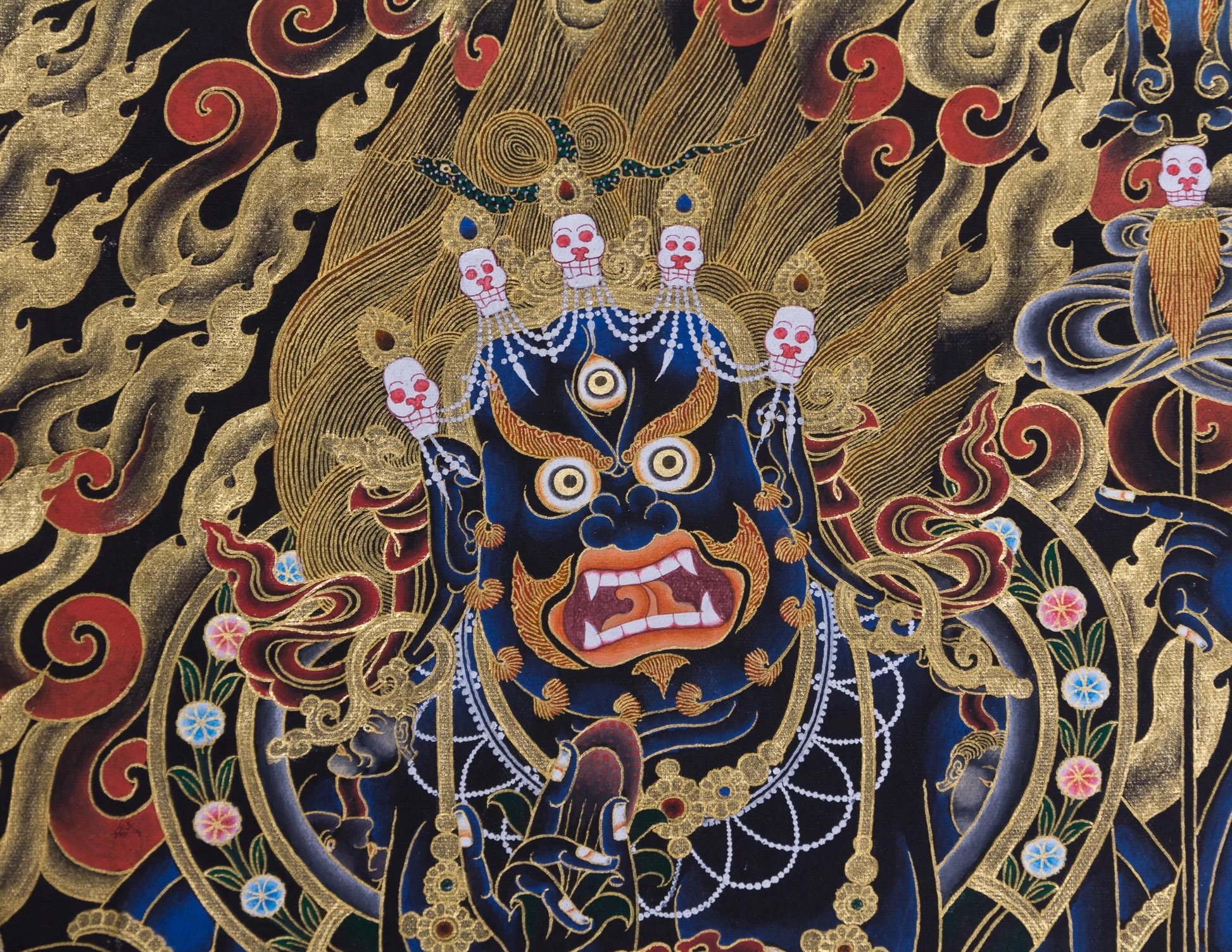
Facing the Fire: ERP and the Badass Compassion You Didn't Know You Needed
True compassion is about courageously confronting suffering with unwavering presence.

Depression: A Feature, Not a Bug, of Our Human Condition
Just as wild animals display signs of distress when removed from their natural habitats, humans may experience depression as a signal that their deeply ingrained social and environmental needs are not being met.

I wish you more stories than stars
In our evolutionary past, stories began as rituals that helped us navigate our minds and social environment.

Taming the Inner Critic: Understanding and Overcoming Self-Criticism
When left unchecked, this critical voice can lead to several mental health problems, making it the top vulnerability factor for these issues.