
Why Some People Stay Stuck After Trauma
A large percentage of people experience serious adversity during their lives. The World Health Organization estimates that around 70% of people worldwide are exposed to at least one traumatic event. Lifetime PTSD prevalence is much lower, generally estimated around 4% to 6%. Trauma exposure is common. Chronic post-traumatic illness is less common.
The same pattern appears in childhood adversity research. Adverse Childhood Experiences (ACEs) increase the probability of depression, anxiety, substance use disorders, suicidality, chronic illness, and interpersonal dysfunction. The relationship is strong and dose-dependent. At the same time, most people with ACEs do not develop severe psychiatric illness.
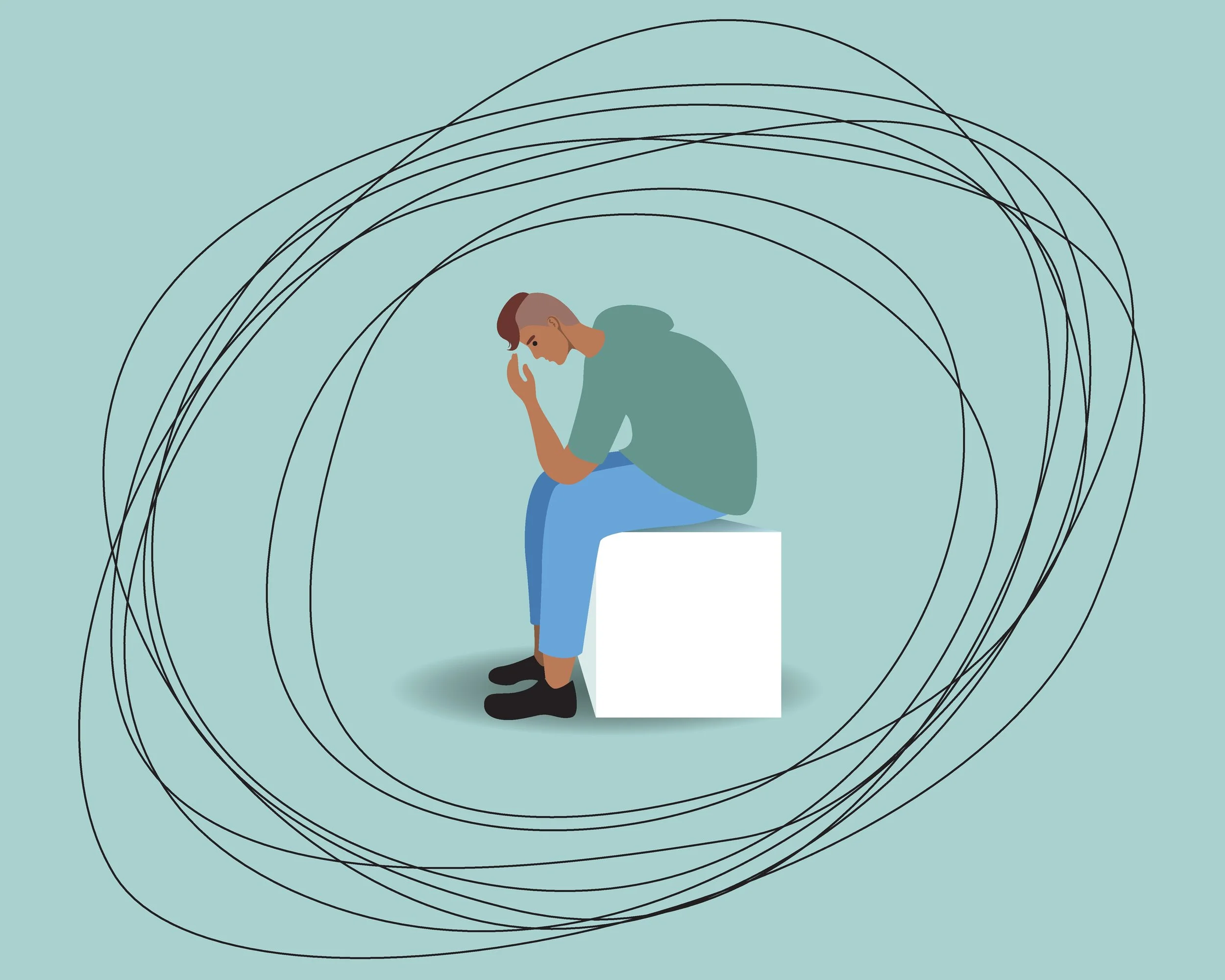
Trauma Does Not Always Lead to Chronic Illness
Risk factors are not destiny.
This matters because many people implicitly think about mental health through a “damage model.” The assumption is that difficult experiences permanently shape people in a mostly one-directional way. The research on resilience does not support that view very well.
Human beings are highly adaptive organisms. Recovery after stress is statistically more common than chronic dysfunction. Many people exposed to trauma eventually return to baseline functioning. Some report improvements in priorities, relationships, meaning, spirituality, or self-understanding after difficult experiences. Research on post-traumatic growth consistently finds that this phenomenon is common, although estimates vary depending on the population studied.
This does not minimize trauma. Childhood abuse, neglect, instability, violence, addiction in the home, and emotional deprivation have real psychological effects. People with severe adversity often carry understandable anger and grief. Some were never protected. Some were humiliated, ignored, controlled, or exposed to chronic chaos during important developmental periods.
The Problem of Waiting for Justice
The clinical problem appears when recovery becomes psychologically linked to fairness.
A common pattern in therapy is:
waiting for parents to admit wrongdoing
waiting for family members to change
waiting for institutions to become fair
waiting for recognition or validation
waiting for life to feel morally resolved
Sometimes these things happen. Often they do not.
People can spend years mentally organized around unresolved injustice. The anger itself usually makes sense. The paralysis that develops around it becomes the issue.
Why Acceptance-Based Therapies Focus on Agency
Many forms of psychotherapy eventually arrive at the same practical observation: people improve more consistently when attention shifts toward agency, behavior, values, relationships, routines, boundaries, exposure to avoided experiences, and participation in life as it currently exists.
This is one reason acceptance-based approaches became influential across multiple therapies, including DBT, ACT, and modern trauma treatments. Acceptance is not presented as approval of the past. It is closer to acknowledging reality accurately enough to respond to it effectively.
In practice, people often start changing once they stop waiting for the past to become different.
Mental Health Is Not Determined by Trauma Alone
There is also little evidence that human beings are blank slates fully constructed by environment alone. Most major psychiatric conditions show substantial heritability. Borderline personality disorder, PTSD vulnerability, depression, bipolar disorder, anxiety disorders, ADHD, autism spectrum disorder, and substance use disorders all show meaningful genetic contribution in twin and family studies. Environment matters enormously. Biology also matters enormously.
Different people respond differently to similar experiences.
That observation can feel unfair. It also creates room for movement. If mental health outcomes are probabilistic rather than fixed, then change remains possible even after severe adversity.
Recovery is possible
One of the more damaging ideas people absorb is that suffering automatically means permanent injury. The historical record does not support that view. Human beings have built meaningful lives under conditions of war, displacement, disability, grief, imprisonment, poverty, and severe loss.
Psychological recovery is often less dramatic than people expect. It usually looks behavioral before it feels emotional. Going to work. Calling someone back. Leaving the house. Setting limits. Exercising. Parenting consistently. Participating in relationships again. Tolerating uncertainty. Reducing avoidance. Building competence slowly.
Many people continue suffering because they remain psychologically fused to the idea that healing requires justice first.
In reality, justice and recovery are often separate processes.